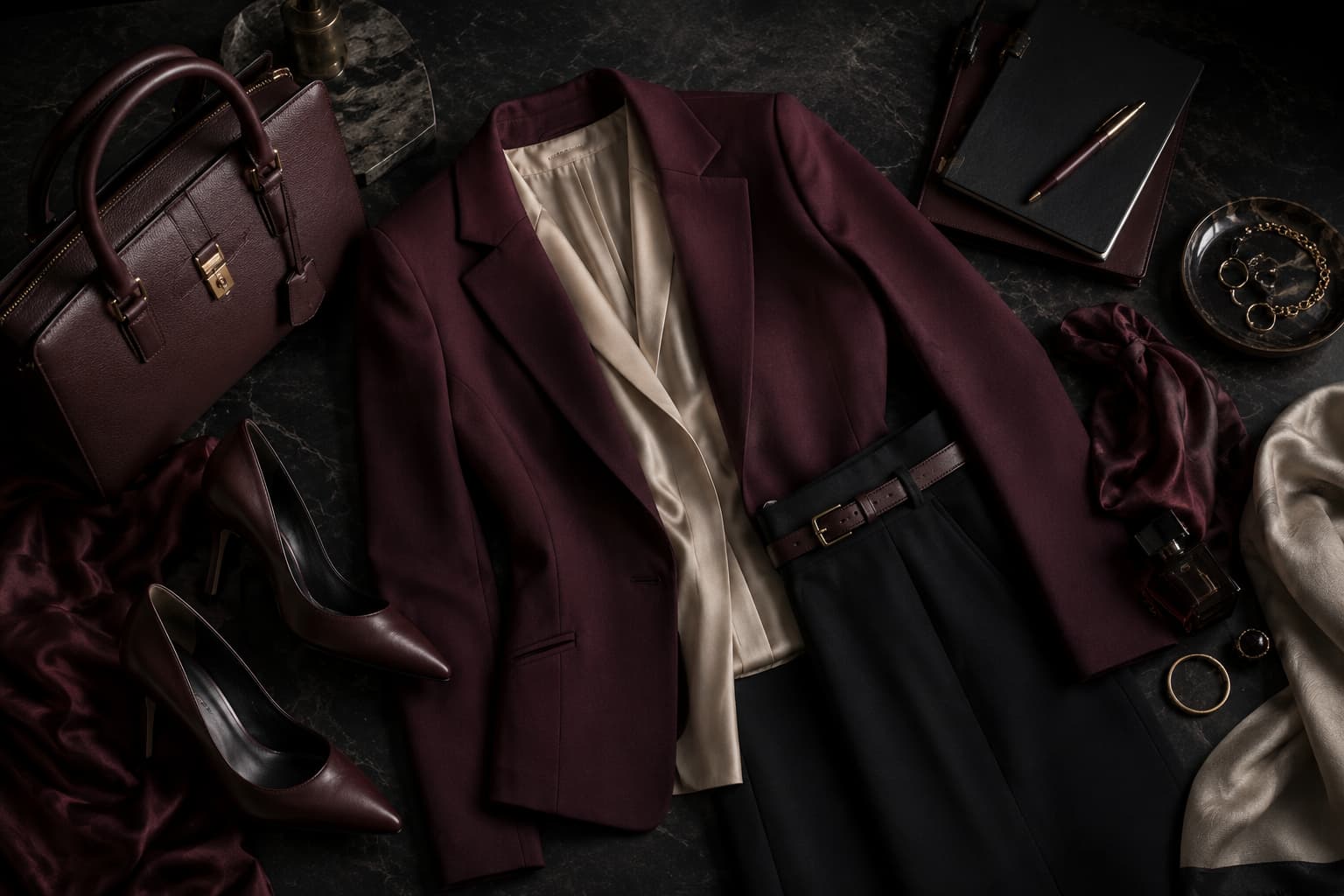
A Professional Workwear Guide helps you understand what makes office outfits look polished. Professional style is not only about formal clothing. It is about fit, balance, fabric, proportion, and intention. A simple outfit can look powerful when every detail works together. A more expensive outfit can still fail if it looks careless or uncomfortable. The best workwear supports your role, schedule, and personal confidence. It helps you move through the day without second-guessing your appearance. When your wardrobe feels aligned with your work life, getting dressed becomes easier. Your clothes start supporting your presence.
A Professional Workwear Guide matters because office style carries quiet messages. Your outfit can suggest preparedness, attention to detail, and self-respect. It does not need to be stiff or overly formal. It simply needs to look considered. A clear professional style system helps you choose pieces with purpose. You know when to wear structured layers. You understand which shoes complete a look. You notice when accessories improve balance. The Effortless Corporate Outfits System: 10-in-1 Bundle of Guides, eBooks, and Checklists gives you a practical way to turn those details into repeatable outfits.
Fabric changes the way workwear performs. Crisp cotton can look fresh and precise. Fine knits feel softer while staying office-ready. Wool blends, ponte, twill, and structured crepe often hold shape well. Thin fabrics may cling, wrinkle, or lose polish quickly. This is why a polished work wardrobe depends on quality signals, not only style ideas. You do not need luxury pieces for every category. You do need fabrics that survive real workdays. Sit, move, commute, and check how pieces behave. Practical testing protects your style from mid-day disappointment.
A Professional Workwear Guide should always begin with fit. Clothing that fits well makes simple pieces look elevated. Shoulder seams should sit correctly. Waistbands should feel secure without pulling. Trouser length should work with your most common shoes. Dresses should allow comfortable movement. Blazers should close cleanly, even if you usually wear them open. These fit details support smart office dressing. They also reduce the need for constant adjusting. When clothes fit properly, you look more relaxed. That ease makes the whole outfit feel more expensive.
Tailoring can be the difference between acceptable and excellent. Hemming trousers, adjusting sleeves, or shaping a waist can transform pieces you already own. This is often smarter than buying more clothes. Before replacing a staple, ask whether fit is the true problem. A good tailor can extend the life of your wardrobe. Small improvements create visible polish. They also help you wear pieces more often. That makes your closet more efficient and more satisfying.
Business casual outfits require balance because they sit between relaxed and refined. A casual top needs a sharper bottom. A relaxed trouser needs a cleaner shoe. A soft knit looks more professional with structured jewelry or a blazer. This balance keeps comfort from looking careless. It also keeps formal pieces from feeling too severe. Your goal is visual harmony. Nothing should look randomly added. Every item should support the same level of polish. This is where planning makes everyday workwear easier.
A Professional Workwear Guide becomes practical when you edit your closet honestly. Remove pieces that pinch, wrinkle badly, feel outdated, or never match anything. Keep pieces that support several combinations. Your closet should include reliable tops, bottoms, layers, shoes, and finishing details. A corporate wardrobe checklist helps you identify gaps without overbuying. You might need one better blazer instead of five more blouses. You might need comfortable shoes more than another dress. Editing gives your wardrobe direction. It also makes your best pieces easier to see.
A focused work capsule wardrobe helps professional style feel more consistent. Choose pieces that share compatible colors, textures, and silhouettes. This does not mean every outfit should look plain. It means your wardrobe has enough connection to mix easily. Add interest through shapes, accessories, or one stronger color. Keep your core pieces dependable. A capsule can support presentations, desk days, and after-work plans when it is built thoughtfully. The Effortless Corporate Outfits System: 10-in-1 Bundle of Guides, eBooks, and Checklists gives you tools for building that focused foundation.
A Professional Workwear Guide should include weekly office outfit planning. Look at your calendar before choosing outfits. Match stronger looks to higher-pressure days. Save softer combinations for admin-heavy schedules. Use a weekday outfit formula when you want fast decisions. This could mean trousers on Monday, dresses on Tuesday, separates on Wednesday, and relaxed tailoring on Friday. Planning helps you see laundry, weather, and meeting needs early. It also helps prevent impulse styling under pressure. Your week feels smoother because your clothes are already working with your calendar.
Strong desk-to-dinner workwear makes your wardrobe more flexible. Choose pieces that look professional during the day and elegant after hours. A clean blouse, tailored trouser, and refined flat can work beautifully at the office. Add stronger jewelry or a sleeker bag, and the look shifts. A simple dress can move from meeting to dinner with only small changes. This flexibility makes your closet feel more valuable. It also supports real life, where workdays rarely end exactly on schedule. For outfit examples, review the corporate style ideas article. For wardrobe structure, explore the closet system article. The Effortless Corporate Outfits System: 10-in-1 Bundle of Guides, eBooks, and Checklists helps connect these ideas into one practical wardrobe plan.

Leave a comment