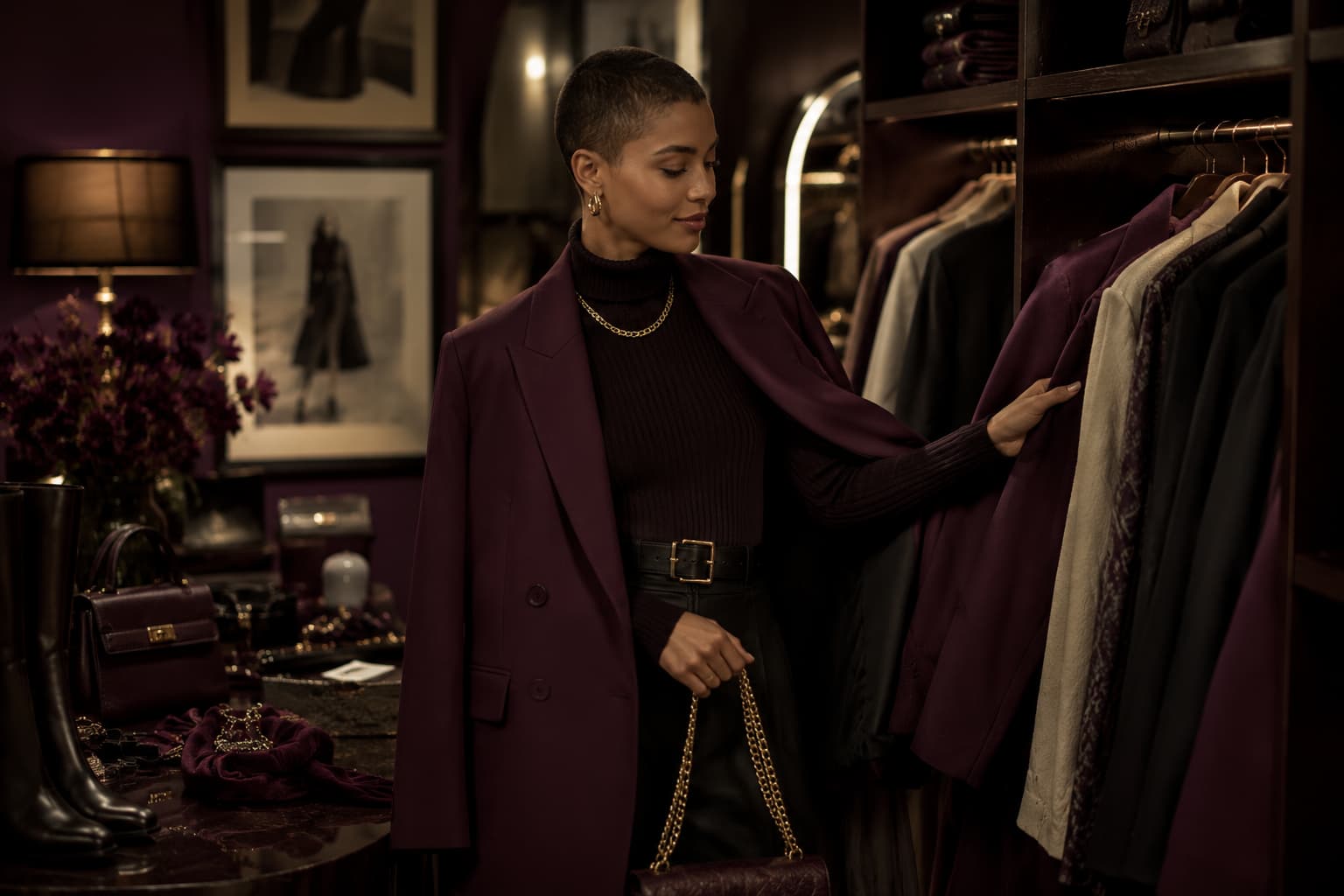
An Inclusive Fashion Guide should help style feel personal, flexible, and comfortable. Clothing works best when it supports identity instead of forcing someone into narrow rules. A strong wardrobe does not need to follow one fixed category. It can mix sharp tailoring, soft textures, fluid silhouettes, and practical everyday staples. The goal is to create outfits that feel expressive without becoming stressful. When your closet gives you options, getting dressed becomes easier and more affirming. You can build looks around comfort, mood, shape, and confidence. That is where intentional style begins.
An Inclusive Fashion Guide matters because many people want fashion that feels less restrictive. Traditional style advice often separates clothing into rigid boxes. Real personal style is much more fluid than that. A thoughtful inclusive style system creates room for different silhouettes, moods, and comfort levels. It helps you choose clothes based on how they make you feel. It also makes shopping more intentional. The Inclusive Fashion Empowerment Toolkit: 10-in-1 Bundle for Genderless & Non-Binary Style supports that process with practical wardrobe guidance.
An Inclusive Fashion Guide works best when it starts with expression instead of labels. Think about the energy you want your clothes to carry. Some days may feel sharp, minimal, and tailored. Other days may feel soft, layered, and relaxed. A wardrobe can hold both moods without contradiction. This is why expressive outfit planning is so useful. It helps you create looks that match your day, not someone else’s expectations. Personal style becomes easier when you stop asking what category an outfit belongs to and start asking whether it feels true.
Strong style begins with pieces that can move between different looks. A structured blazer, clean trouser, relaxed shirt, boxy knit, wide-leg pant, long coat, and simple shoe can create many combinations. These flexible wardrobe basics give your closet range. They also reduce pressure because each piece can be styled in several ways. A button-down can look polished under a blazer. The same shirt can feel casual over a tank or tee. Versatile pieces give you control over the final message. That control makes dressing feel calmer.
An Inclusive Fashion Guide should make silhouette choices easier. Shape can change how an outfit feels before color or accessories appear. Oversized jackets create structure and ease. Straight-leg trousers feel grounded and simple. Cropped layers can add proportion. Longer shirts can soften a sharper outfit. Thoughtful silhouette balancing tips help you adjust an outfit without changing your whole wardrobe. You can create more volume on top, more length through the leg, or more softness through layering. Small styling decisions can make clothes feel more aligned.
Balance also depends on how you want to be perceived that day. A sharper look might support confidence in a formal setting. A looser layered outfit might feel better during a creative or casual day. Neither choice is more correct. The best outfit is the one that supports your comfort and presence. This is why experimenting matters. Try different proportions in a mirror. Notice what feels natural. Keep the combinations that make you feel steady.
Comfort is not separate from style. It is one of the reasons an outfit works. Clothes that pinch, pull, or need constant adjusting can make even a beautiful look feel wrong. A practical style comfort checklist helps you test clothing before it becomes part of your daily wardrobe. Sit down, move, raise your arms, walk, and check the fabric. Comfort should include fit, texture, movement, and emotional ease. When clothing feels good on your body, confidence comes more naturally. The Inclusive Fashion Empowerment Toolkit: 10-in-1 Bundle for Genderless & Non-Binary Style helps turn those checks into a usable routine.
An Inclusive Fashion Guide can use color and texture to create personality without relying on complicated outfits. Neutrals like black, charcoal, cream, taupe, denim, and deep brown can form a strong base. Accent colors can bring mood and individuality. Texture adds another layer of expression. Cotton, wool, leather, satin, ribbed knits, and denim all communicate something different. Neutral layering pieces make this easier because they connect bolder items together. A soft knit can calm a structured jacket. A leather belt can sharpen a relaxed trouser. Texture helps outfits feel intentional.
An Inclusive Fashion Guide becomes powerful when it helps you repeat what works. Take photos of outfits that feel good. Notice which shapes, colors, and layers appear often. Use those patterns to build a clearer modern wardrobe confidence routine. You do not need a huge closet to feel expressive. You need pieces that support different versions of you. For more styling inspiration, explore the fluid outfit ideas article. For closet editing support, continue with the wardrobe-building article. The Inclusive Fashion Empowerment Toolkit: 10-in-1 Bundle for Genderless & Non-Binary Style gives you a practical way to keep building from there.

Leave a comment